
Cholesterol / Lipid Profile: Understanding the Basics of Heart Health
Cholesterol / Lipid Profile: Understanding the Basics of Heart Health
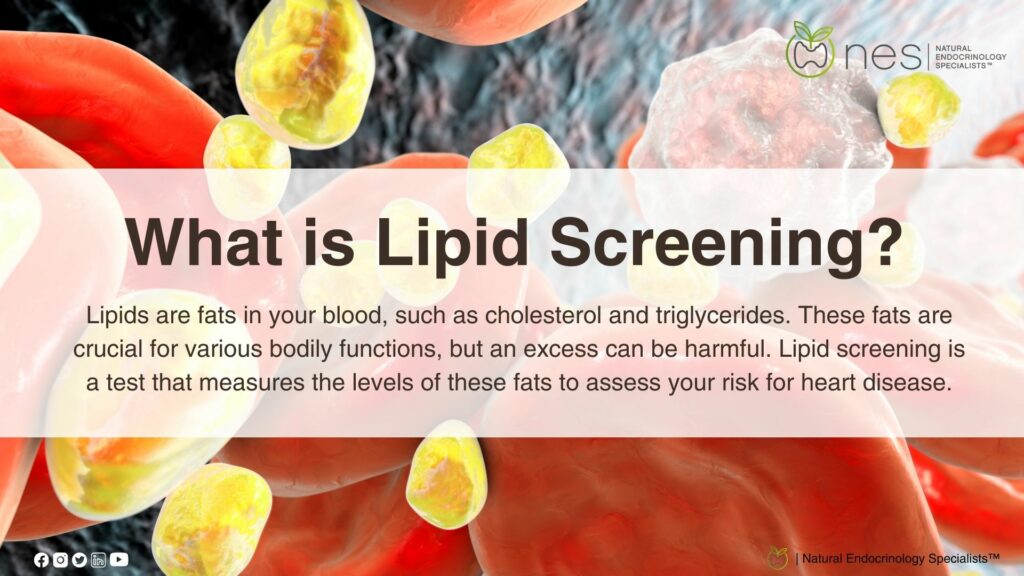
A cholesterol or lipid profile is one of the most important blood tests used to evaluate your risk of heart disease, stroke, and other cardiovascular conditions. It measures different types of fats (lipids) in your blood and helps doctors understand how well your body is managing cholesterol.
Cholesterol itself is not entirely bad. In fact, it is a waxy, fat-like substance that your body needs to build cells, produce dr rahman hormones, and support normal body functions. The problem arises when cholesterol levels become unbalanced.
A lipid profile typically includes four key components: Total Cholesterol, LDL (Low-Density Lipoprotein), HDL (High-Density Lipoprotein), and Triglycerides. Each of these plays a different role in your body’s health.
Total Cholesterol – The Overall Fat Measurement
Total cholesterol represents the combined amount of cholesterol in your blood. It includes both “good” and “bad” cholesterol.
Doctors usually interpret total cholesterol levels as:
- Desirable: Less than 200 mg/dL
- Borderline high: 200–239 mg/dL
- High: 240 mg/dL and above
However, total cholesterol alone does not give a complete picture. That is why doctors look at the full lipid profile before making conclusions.
LDL and HDL – The Bad and Good Cholesterol
LDL (Low-Density Lipoprotein) is often called “bad cholesterol” because it can build up in the walls of arteries. Over time, this buildup forms plaques that narrow blood vessels and increase the risk of heart attacks and strokes.
Healthy LDL levels are generally:
- Optimal: Less than 100 mg/dL
- Near optimal: 100–129 mg/dL
- High: 160 mg/dL and above
On the other hand, HDL (High-Density Lipoprotein) is known as “good cholesterol” because it helps remove excess cholesterol from the bloodstream and carries it back to the liver for disposal.
Higher HDL levels are better:
- Low risk protection: 60 mg/dL and above
- Poor protection: Less than 40 mg/dL (men), less than 50 mg/dL (women)
A healthy balance between LDL and HDL is more important than focusing on just one number.
Triglycerides – The Energy Fat Stored in the Body
Triglycerides are another type of fat found in your blood. They are used by the body for energy, but excess amounts are stored as fat.
High triglyceride levels can increase the risk of heart disease, especially when combined with high LDL or low HDL.
General triglyceride levels:
- Normal: Less than 150 mg/dL
- Borderline high: 150–199 mg/dL
- High: 200–499 mg/dL
- Very high: 500 mg/dL and above
Triglyceride levels can be influenced by diet, sugar intake, physical activity, and overall lifestyle habits.
Why Lipid Profile Testing Matters and How to Maintain Healthy Levels
A lipid profile test is important because high cholesterol usually does not show symptoms until serious health problems occur. Regular testing helps detect risks early and allows preventive action.
Maintaining healthy cholesterol levels is mostly about lifestyle balance. A diet rich in fruits, vegetables, whole grains, and healthy fats (like nuts, seeds, and fish) can support heart health. Regular physical activity, avoiding smoking, and managing stress also play a major role.
It is important to understand that cholesterol management is not about extreme restrictions, but about long-term healthy habits. In some cases, doctors may also prescribe medication if lifestyle changes alone are not enough.
A lipid profile is more than just a blood test—it is a window into your heart health. Understanding each component helps you make smarter choices and reduce the risk of future cardiovascular problems.

Ответить
Want to join the discussion?Feel free to contribute!