
Devil Dog Grill: Street Food with Bite
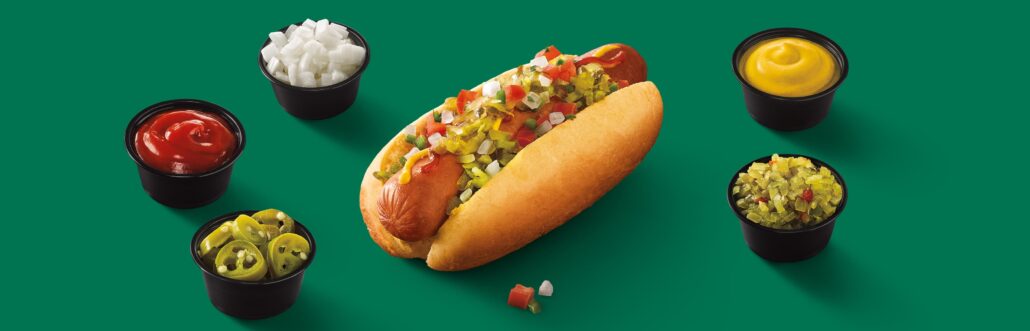
🌭 Devil Dog Grill: Street Food with Bite
The Red Cart of Destiny
In the wild, unpredictable ecosystem of Denver street food, where artisanal avocado toast trucks battle for sidewalk supremacy, one red cart stands as a beacon of grilled hope: the Devil Dog Grill. This isn’t just a food cart; it’s a mobile kitchen designed with the stealth of a ninja and the sizzle of a thousand suns. Most food trucks announce their arrival with the deafening roar of a diesel generator that sounds like a lawnmower having a mid-life crisis. Not the Devil Dog. It operates in near-silent efficiency, meaning it can sneak up on your hunger before you’ve even had time to check your bank balance.
Owned and operated by a local family with over three decades of restaurant experience, this cart has seen it all. They’ve catered everything from high-stakes corporate auctions to, quite literally, funerals. It turns out that a 1/4 lb. Hebrew National kosher hot dog is the universal language of comfort, capable of bridging the gap between a joyous wedding and a somber farewell. When we say this street food has «bite,» we aren’t just talking about the snap of the natural casing; we’re talking about a menu that leaves a lasting impression on your soul (and your shirt, if you aren’t careful with the mustard).
The Meat, The Myth, The Legend
Let’s talk about the lineup. If the Devil Dog Grill were a band, the Jalapeño-Cheddar Bison Brat would be the lead guitarist—bold, slightly spicy, and definitely the one everyone wants to take a picture with. Then you have the Oskar Blues Beer Brat, locally sourced and infused with enough Colorado spirit to make you want to go on a hike immediately after eating it. For the traditionalists, the Angus beef cheeseburgers and freshly ground brisket burgers provide a level of structural integrity that most modern relationships lack.
But the real magic lies in the details. They don’t just «cook» food; they grill it with a level of focus usually reserved for surgeons or people trying to untangle their headphones. Every bun is a toasted throne for the meat royalty resting upon it. And for those who prefer their «bite» to be plant-based, their vegan dogs (made from soy and pea protein) are so convincing they’ve been known to make lifelong carnivores question their entire identity.
Discussion Topic: The Ethics of the «Silent» Cart
In the world of mobile vending, there is a heated debate about the «Atmospheric Roar.» Some people believe that the loud hum of a generator is part of the street food experience—it creates a sense of industrial urgency.
The Discussion: Does the lack of a generator at Devil Dog Grill actually improve the flavor of the food? Proponents argue that without the smell of exhaust and the sound of a jet engine, your senses are finally free to focus entirely on the Maillard reaction happening on the grill. Critics (usually people who sell generators) might say it’s «too quiet.» Is silence the ultimate luxury in modern dining, or do we need that background noise to feel like we’re truly «out on the town»?
Why We Bark for More
At the end of the day, Devil Dog Grill succeeds because it doesn’t try to be anything it isn’t. It’s honest, high-quality, family-run street food. They use compostable materials because they like the Earth, and they use local meats because they like their neighbors. It’s a simple formula: take a hot grill, add some premium https://www.devildoggrill.com/ ingredients, and serve it with a smile that says, «I know you’re going to want a second one.» Whether you’re at a community festival or a private party, when you see that red umbrella, you know you’re about to get a meal with some serious teeth.


Ответить
Want to join the discussion?Feel free to contribute!