
Japanese Tea Time Culture: Exploring Traditional and Modern Tea Stores in Tokyo
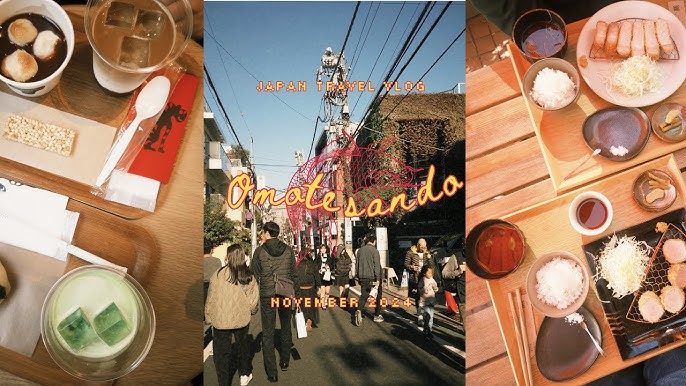
Japanese Tea Time Culture: Exploring Traditional and Modern Tea Stores in Tokyo
Tea time in Japan is not simply a daily habit—it is a cultural expression rooted in centuries of tradition, mindfulness, and https://www.teatimeus.com/ respect for nature. In Tokyo, this heritage is preserved and reimagined through a dynamic blend of traditional tea houses and modern specialty stores. The result is a tea culture that feels both timeless and refreshingly contemporary, offering visitors and locals a wide range of experiences that go far beyond just drinking tea.
The Deep Roots of Japanese Tea Culture
Japanese tea culture originates from the historic chanoyu, or tea ceremony, which emphasizes harmony, respect, purity, and tranquility. This ceremonial approach to tea has influenced how Japanese people perceive and consume tea even in everyday life. While not every tea experience in Tokyo follows strict ceremonial rules, the philosophy behind it is still deeply present—especially in how tea is prepared and served.
Matcha, sencha, and hojicha are among the most iconic tea types in Japan. Each variety carries its own identity, flavor profile, and preparation style. Matcha, in particular, has become a symbol of Japanese tea culture worldwide, often associated with mindfulness and traditional aesthetics.
Traditional Tea Houses in Tokyo
In Tokyo, traditional tea houses offer an escape from the fast-paced urban environment. These spaces are often designed with tatami flooring, wooden interiors, and minimal decoration to create a calm and meditative atmosphere. Visitors are encouraged to slow down, observe, and appreciate each step of the tea preparation process.
Some long-established tea stores in districts such as Asakusa and Ueno specialize in serving high-quality loose-leaf teas sourced from regions like Uji and Shizuoka. These shops often maintain old brewing techniques and serve tea in handcrafted ceramics, preserving the authenticity of Japanese tea culture.
Unlike modern cafés, traditional tea houses focus less on variety and more on depth. Each cup is carefully brewed to highlight the natural aroma and taste of the leaves, allowing customers to experience tea in its purest form.
Modern Tea Stores and Café Innovation
While tradition remains strong, Tokyo is also home to a rapidly growing number of modern tea cafés and boutique brands. These establishments reinterpret tea culture for a younger, global audience. Minimalist interiors, stylish branding, and creative menus define this new wave of tea experiences.
Modern tea stores often experiment with flavors and presentation. Matcha lattes, tea-infused desserts, and cold brew teas are now common offerings. Some cafés even combine tea with technology, using precision brewing machines to ensure consistency and enhance flavor extraction.
In trendy neighborhoods like Shibuya, Harajuku, and Ginza, tea cafés have become social spaces where people gather not only to drink but also to work, relax, and take photos. The aesthetic appeal of these spaces plays a significant role in their popularity, especially among younger generations and international visitors.
The Balance Between Tradition and Modern Lifestyle
What makes Tokyo’s tea culture truly remarkable is its ability to balance old and new. Traditional tea houses preserve centuries of heritage, while modern tea stores push innovation and accessibility. Together, they create a diverse ecosystem where tea is both a cultural ritual and a lifestyle product.
Whether enjoying a quiet bowl of matcha in a historic tea room or sipping a creatively crafted tea latte in a stylish café, tea time in Tokyo reflects a deeper philosophy: appreciating the present moment. It is this harmony between tradition and innovation that continues to define Japanese tea culture today.
Ответить
Want to join the discussion?Feel free to contribute!